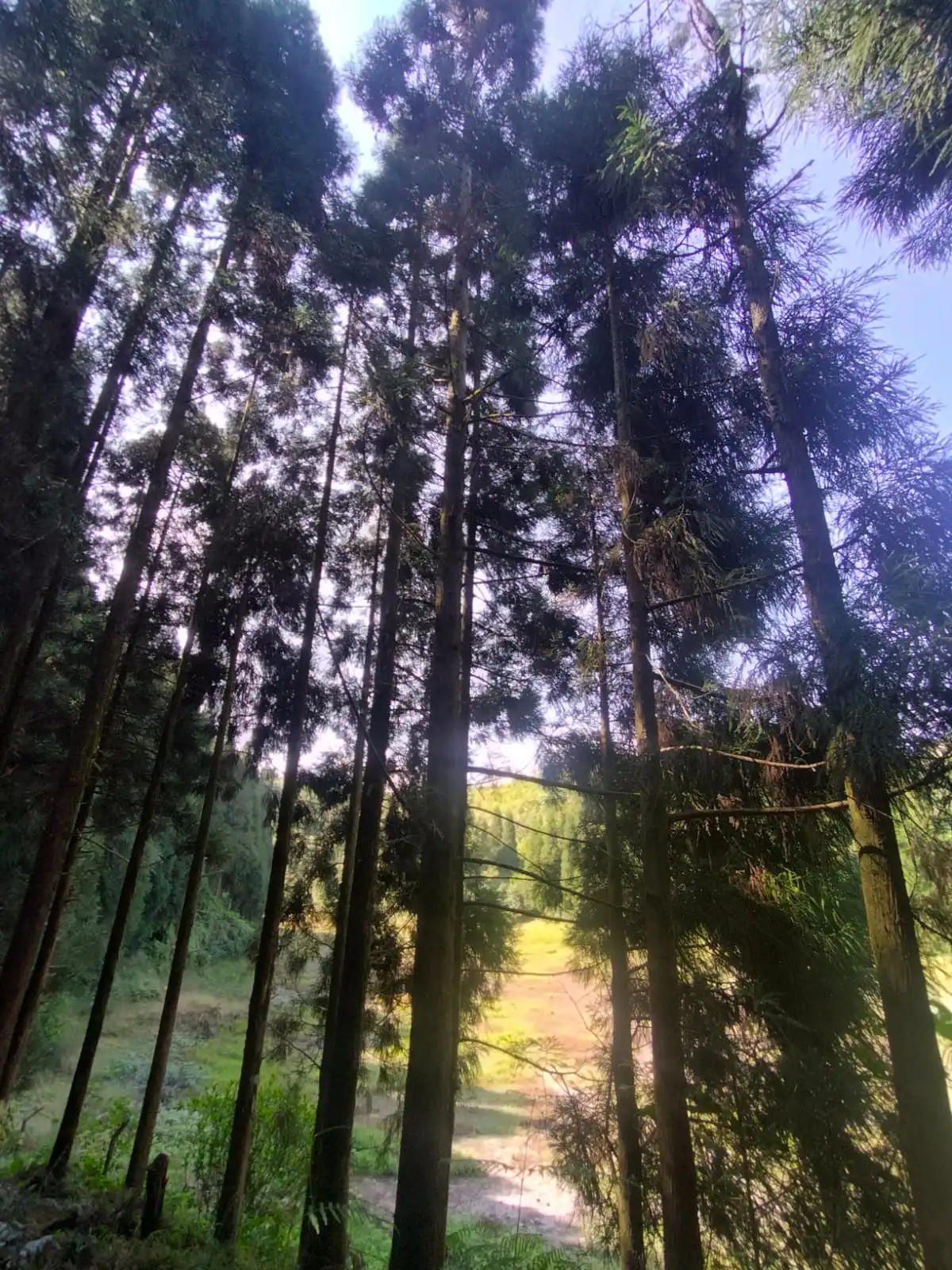
Misty pine forests and birdwatching habitat
Guided Nature Trails

Birdwatching & Nature

Venture into the ancient pine forests bordering the Mahananda Wildlife Sanctuary with our expert local guides.

The dense pine forests and old-growth trees surrounding Meghbitan Homestay function as a natural corridor to the Mahananda Wildlife Sanctuary. Because the terrain is deep and the wildlife camouflaged, all birdwatching and forest treks are strictly guided. Our expert local naturalists accompany you to navigate the trails, identify complex bird calls, and ensure you safely experience the rich biodiversity of Sittong.

Trail Logistics

Everything you need to know before stepping into the forest.

Expert Guided Excursions

To protect the ecosystem and ensure your safety, birdwatching here is exclusively guided. Our local guides know the terrain intimately, understand the migratory patterns, and can identify species by sound long before they are visible. Do not wander the deep pine trails alone.

Best Time of Day

  • Morning Chorus 5:30 AM — 8:30 AM
  • Evening Roost 3:30 PM — 5:30 PM

The Seasonal Guide

Oct – Feb (Winter)

Migratory Season

Clear skies and migratory birds descending from higher altitudes. Perfect visibility.

Mar – May (Spring)

Breeding Season

Birds are in full breeding plumage and highly vocal. The forest is vibrant with activity.

Jun – Sep (Monsoon)

Off-Peak

Heavy leeches and dense mist make birding difficult. Focus shifts to spotting Salamanders.

Wildlife Matrix

Species You May Realistically See

The Sittong division is rich with avian life. Here are the most common sightings reported by our guides and guests.

Rufous Sibia

Rufous Sibia

Common Sighting

Highly active in the upper canopy of the pine forests, easily identified by their loud, melodic calls.

Scarlet Minivet

Scarlet Minivet

Frequent Sighting

Brilliant flashes of red and yellow darting through the foliage. Usually travel in small, active flocks.

Blue Whistling Thrush

Blue Whistling Thrush

Common near water

Known for their incredibly human-like whistling song, often found near the homestay in the early mornings.

Blue Whistling Thrush

Green-backed Tit

Frequent Sighting

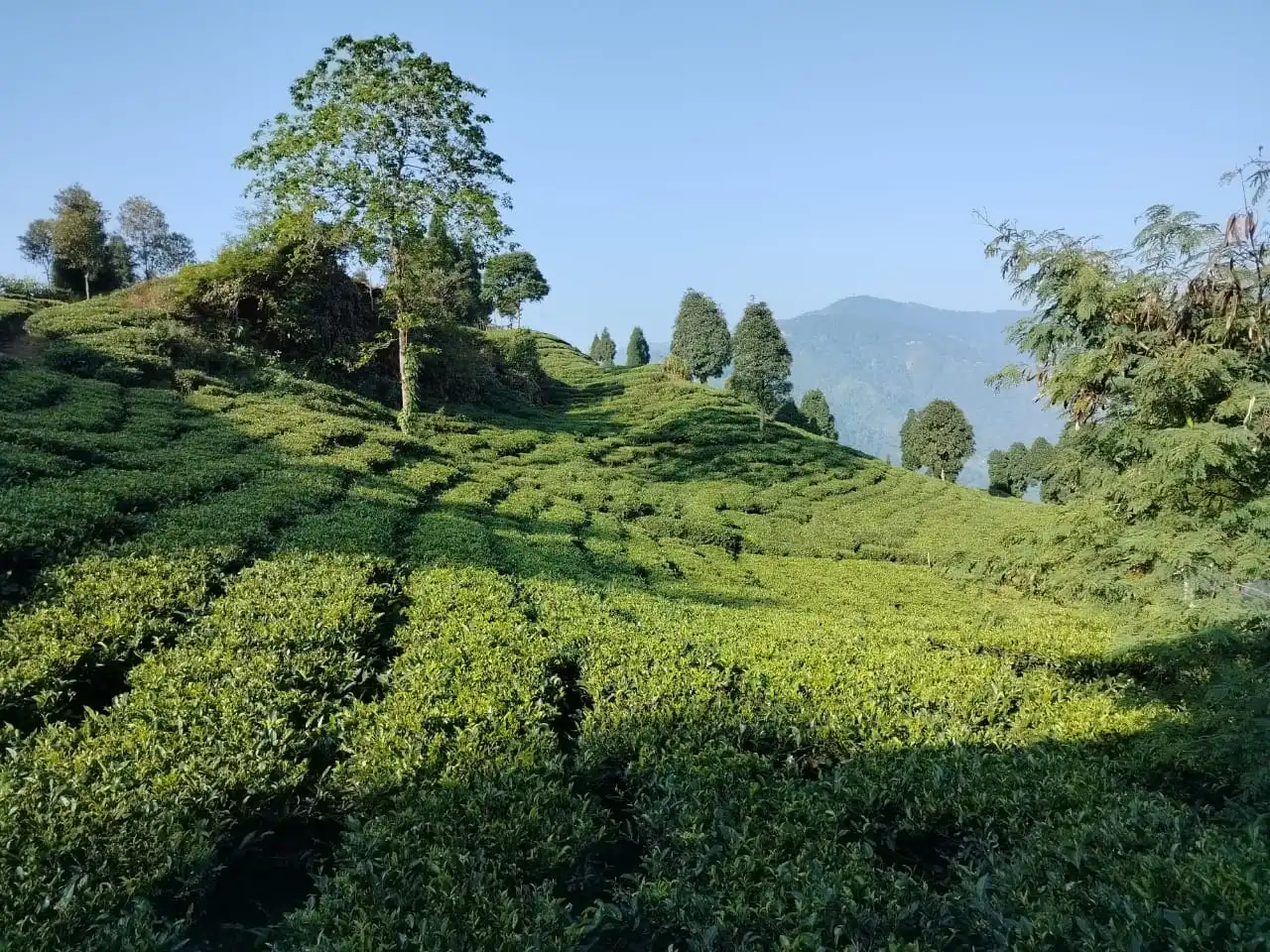
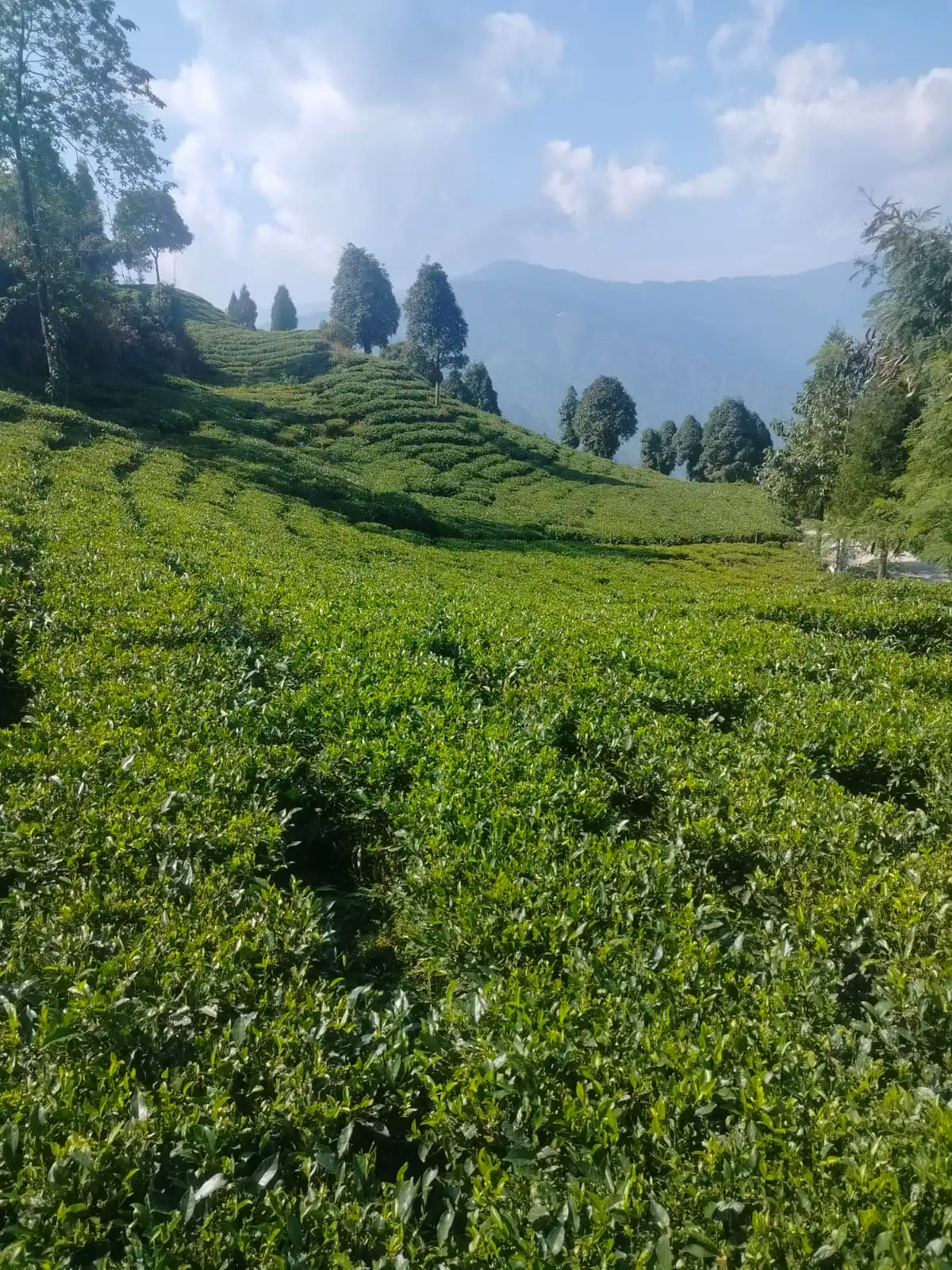
Small, bold, and highly vocal. Often seen hopping rapidly along the branches in the tea gardens.

Great Hornbill

Great Hornbill

Rare Sighting

Though rare, these magnificent birds are occasionally spotted crossing the valley near Mahananda.

Sunbirds

Verditer Flycatcher

Common Sighting

Verditer Flycatchers are frequently seen perching on the open branches and electric wires around the cottage.

Sunbirds

Various Sunbirds

Common Sighting

Mrs. Gould's and Green-tailed sunbirds are frequently seen near the flowering shrubs around the cottage.

The Excursion

A Day on the Trail

What to expect when you book a guided nature walk.

5:30 AM

Pre-Dawn Assembly

Meet your guide at the homestay courtyard for hot tea and a quick briefing on safety and silence protocols before entering the forest.

6:00 AM — 8:30 AM

Deep Pine Trail Walk

Venture into the old-growth forests. The guide will lead you to known fruiting trees and water sources to catch the morning chorus at its peak.

9:00 AM

Return & Record

Return to Meghbitan for a hearty Bengali breakfast. Many guests use this time to log their sightings in their journals while enjoying the Kanchenjunga view.

Into the Wild

Nature Gallery

Before You Trek

Do I need to bring my own binoculars? +

Yes, we highly recommend bringing your own binoculars and telephoto lenses. While our guides are experts at spotting, having your own equipment greatly enhances the experience.

How do I book a guide? +

You can request a guide when booking your room, or inform Dr. Bala at least 24 hours in advance during your stay so we can arrange the perfect local expert for your group.

Ready to explore?

Discover more activities or book your room today.